The Ontario Health Study Newsletter, November 2026
Nov 16, 2026 // OHS Newsletter
In this issue:
• OHS In the news
• Your HEAL Study questions answered
• Could the air we breathe affect arthritis risk?
• Progress report on collection of second blood samples
• Ask the OHS
• Your data and biosamples at work
• Where are they now?
• Have you moved, or are you living outside Ontario?
• Protect your personal information
• Thank you to our participant advisors!
• Why do you continue to take part in the OHS?
OHS in the news
Study leadership, researcher, and participant featured in radio and podcast interviews

In the latest episode of the ICES podcast “In Our VoICES”, Dr. Vicki Kirsh, Interim Director of the Ontario Health Study (OHS), and OHS participant/U of T Professor Emeritus Sandford Borins discuss how data, health records, and biological samples contributed by more than 225,000 Ontarians are helping researchers better understand the causes of cancer, heart disease, diabetes, and other health conditions. The conversation highlights the vital role participants play in advancing discoveries that could improve health outcomes for generations to come.
Listen online here (26 min)
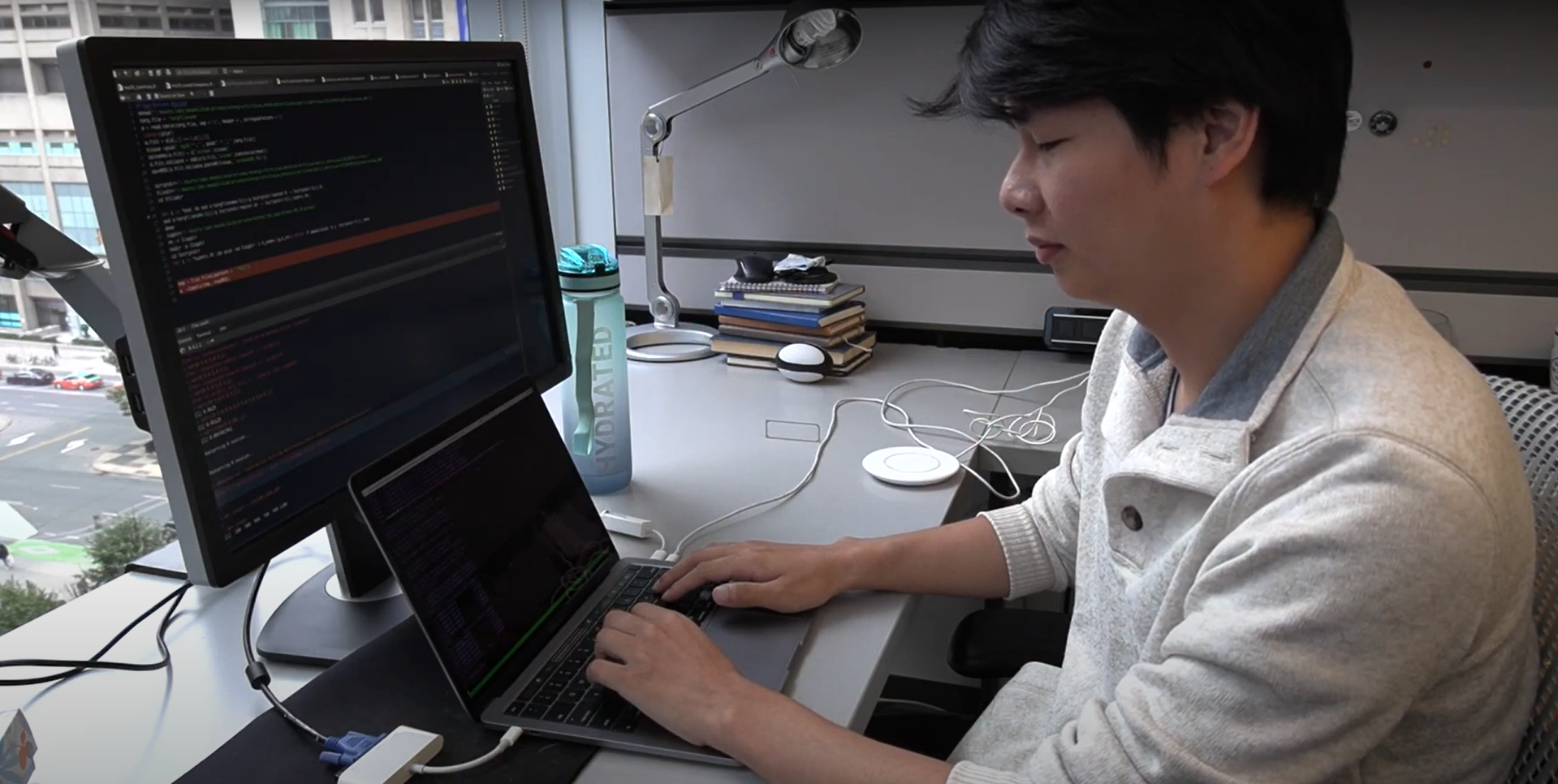
Researcher Nick Cheng was recently a guest on CBC Radio’s Metro Morning. His PhD research, which used OHS data and biosamples, looked for biomarkers in the blood that could be used to detect breast and prostate cancer several years before a traditional diagnosis.
Listen to the segment here (8 min)
Your HEAL Study questions answered
More OHS participants now eligible to be invited
We’ve been inviting OHS participants to take part in the HEAL Study for a few months now. It’s been a big undertaking, with many more steps and moving parts compared to the standalone questionnaires you’re used to.
With HEAL eligibility being expanded to more participants, here are some answers to common questions you may have about this initiative:
Q: Will I be invited to HEAL? If so, when?
A: Yes, HEAL Study eligibility has been widened to all OHS participants. To account for seasonal trends in activity and diet, we are spreading out invitations to take part over a longer period. When it is your turn to begin, you will receive an email invitation from us.
Q: I’m having trouble completing the ASA24 diet recall questionnaire. How do I report what I ate or drank?
A: In addition to the PDF user guides available on our website, you may also want to review this video guide, which walks you through the process of finding what you ate or drank, and adding them to your timeline.
Q: Why are some elements of HEAL hosted externally? Is my personal information stored outside of Canada?
A: Some survey information is temporarily stored on secure systems outside of Canada because these specialized research tools, such as the ASA24 diet recall and ACT24 physical activity recall, are not currently available through Canadian providers.
These tools are widely used in health research around the world because they have been carefully tested and validated.
Your name and contact information are never sent to these systems. Any identifying information remains securely with the OHS.
Protecting participant privacy remains a top priority regardless of where the survey platform is hosted.
Q: I don’t have time to complete both the activity and diet recalls. Is that okay?
A: Yes. You don’t need to complete every single step – just try to do the best you can. Every bit of information you are able to provide is saved and is useful to the researchers who will be applying for access to de-identified data from the HEAL Study.
Q: How many people have taken part so far?
A: Here’s a HEAL Study update by the numbers:
~13,000 Participants have completed the initial HEAL Questionnaire.
48% have completed at least one 24-hour recall questionnaire.
20% have completed both sets of 24-hour recalls!
Most common moderate or vigorous physical activity reported: Walking for exercise
Most common food item eaten: Bread
Most common drink (other than water): Coffee
Could the air we breathe affect arthritis risk?
Research using OHS data explores links between air pollution and autoimmune diseases

|
Dr. Sasha Bernatsky |
|
|
When you participate in the Ontario Health Study (OHS), you help researchers explore important questions about health that may not have clear answers yet. One recent study is a great example of how your contributions are making a difference.
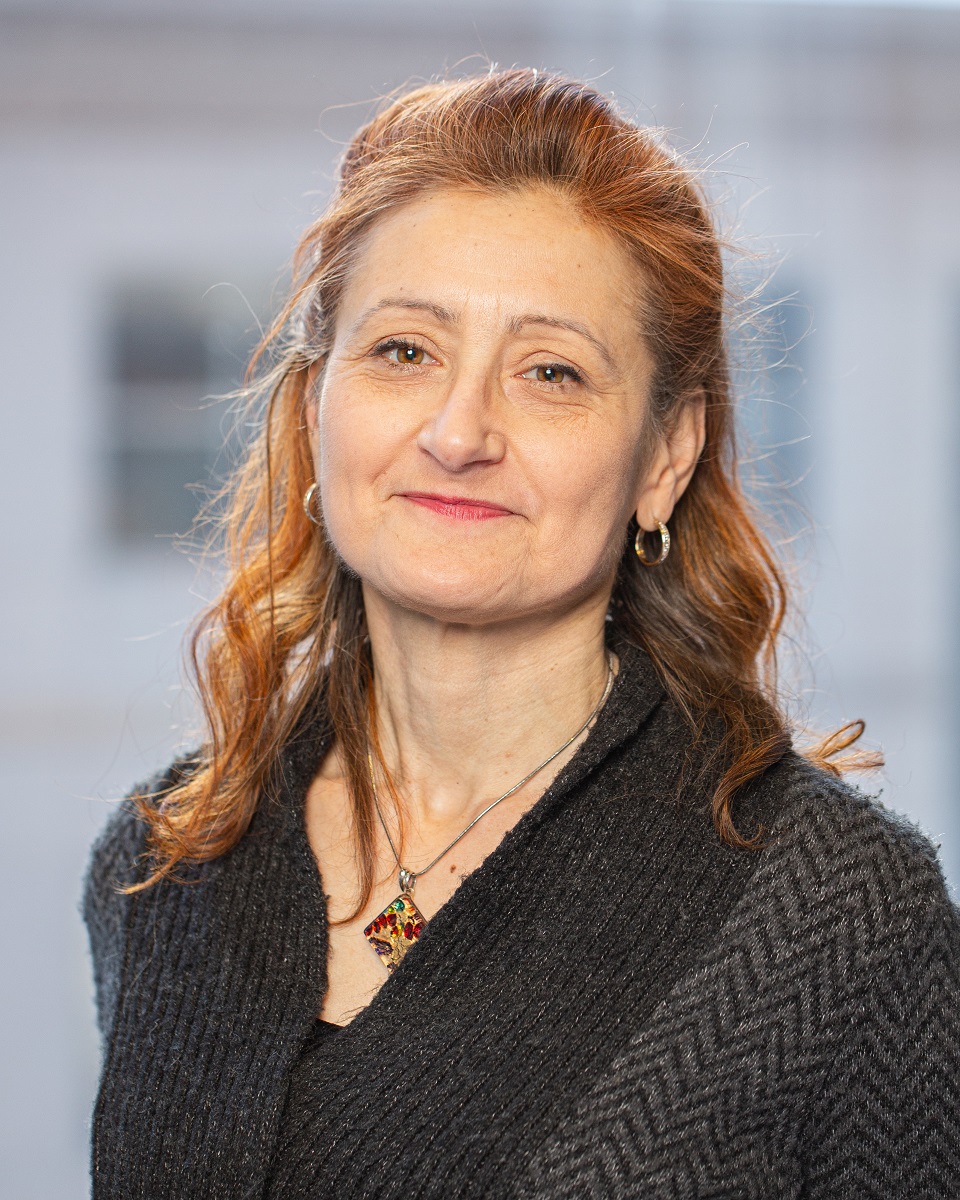
Researchers led by Dr. Sasha Bernatsky used data from CanPath, Canada’s largest population health study, to investigate whether long-term exposure to air pollution may affect the immune system and contribute to autoimmune and rheumatic diseases, including forms of arthritis. More than 3,500 OHS participants contributed data to this research, helping scientists better understand how our environment may impact health over time.
While air pollution is often linked to conditions affecting the lungs, researchers are learning that some pollutants may have effects throughout the body. Fine particulate matter (PM2.5), for example, can enter the bloodstream and trigger inflammation. This study adds to growing evidence that air pollution may also play a role in immune system dysfunction and diseases such as rheumatoid arthritis and lupus.
By combining health, lifestyle, and biological information with environmental exposure data, researchers can examine patterns that would otherwise be difficult to detect. Access to OHS and CanPath data and biosamples was essential for conducting this work.
Studies like this demonstrate the value of long-term participation in the OHS. Every questionnaire completed and sample provided may help researchers investigate the factors that shape health and disease, with the potential to inform future public health policies and prevention strategies.
Read more: CanPath data sheds light on air pollution's hidden role in rheumatic disease [canpath.ca]
Webinar: Understanding the connections between air pollution and rheumatic disease
Progress report on collection of second blood samples
We’ve passed an important milestone!
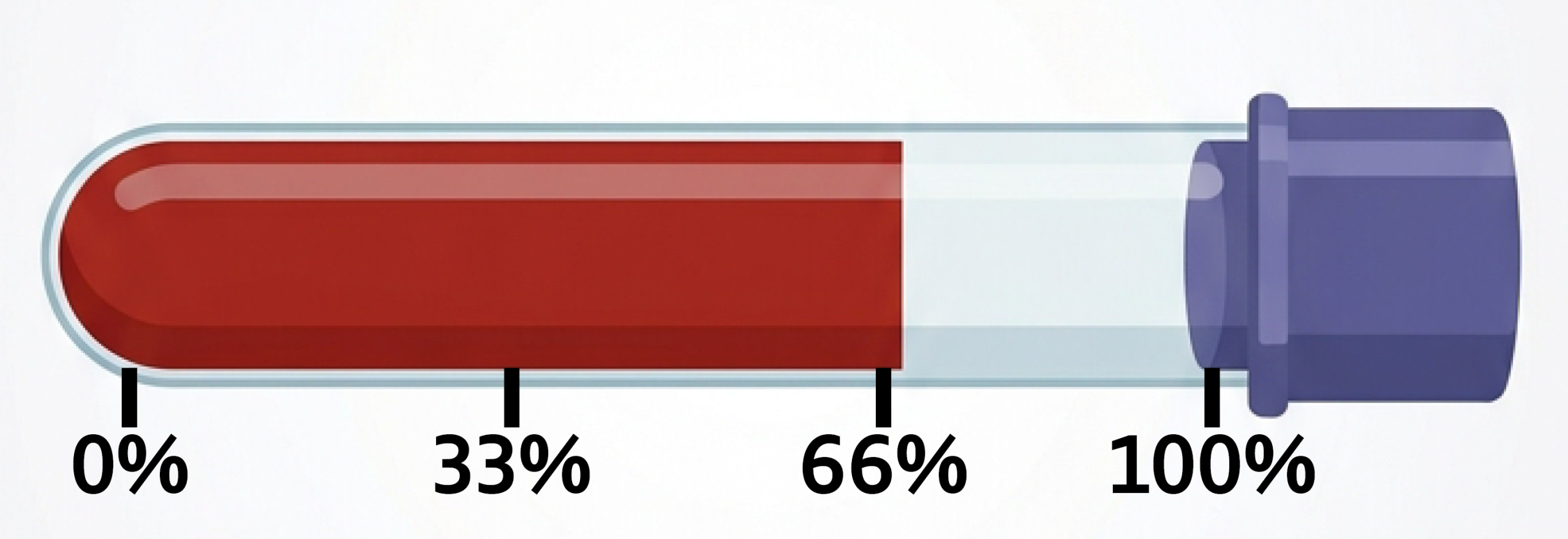
Significant progress is being made on the collection of a second blood sample from a subset of participants, we are more than 2/3 of the way to our goal of 3,000 samples. Thank you to everyone who has taken part so far!
How are things going?
- 4,193 participants invited
- 72% response rate to invitation
- More than 2,300 participants have visited a lab
- 2,216 participants have had their sample collected and can now view their results
- 426 are currently in progress
Already received your blood collection kit in the mail? You may notice on your requisition form that your year and month of birth are correct, but the day of birth is the 1st. To protect your privacy, your requisition form contains as little personal information as possible, so your name and full date of birth are not needed. Just the year and month are required to confirm your identity when you arrive at the lab.
Ask the OHS
Do you have a question you would like to know about the Study?

If there is something you’ve always wanted to ask about the OHS, now’s the time!
We want to hear that interesting, specific question that you’ve been itching to ask and couldn’t find in our FAQ pages.
It could be anything! From questions about data security and what researchers are using your data to investigate, big questions about the Study’s long-term goals, to what our Communications Lead’s favourite Beatles album is. Editor’s Note: it’s Rubber Soul -ML
Please submit your questions using the form below, and we’ll feature them in upcoming newsletters, in videos on our YouTube page, or on our social media (follow us on Facebook and LinkedIn).
Your data and biosamples at work
Catch up on new published research, and projects recently approved to access de-identified data and biosamples

So far in 2026, research that included data and/or biosamples from OHS participants has resulted in 16 publications! A few notable examples are below, and a full list of publications is available here.
- Plasma cell-free DNA samples collected years before diagnosis contained detectable molecular changes associated with future breast and prostate cancer, suggesting blood-based biomarkers may help identify cancer risk up to eight years before clinical detection. (Cheng, N. et al., Cell Genomics, 2026)
- Occupational exposure to endocrine-disrupting chemicals was associated with an increased risk of colorectal cancer, highlighting the potential role of workplace environmental exposures in colorectal cancer development and prevention. (Pelland St-Pierre et al., Environmental Research, 2026)
- A large genetic study of irritable bowel syndrome (IBS) identified links between IBS, cardiometabolic traits, and triglyceride metabolism, providing evidence that metabolic pathways may play an important role in IBS risk and offer new targets for prevention and treatment. (Di Lorenzo, B. et al., Gut, 2026)
- Fine particulate matter (PM2.5) exposure was associated with anti-nuclear antibodies at high titres, supporting that air pollution induces a systemic immune response that could result in autoimmune diseases. (Zhao, N et al. Rheumatology, 2026)
- Individuals who rated their health more poorly were found to have higher rates of new cardiovascular disease, particularly for women, suggesting self-assessment of health can assist in stratifying risk for primary prevention of cardiovascular disease. (Sud, M et al., JAMA Netw Open, 2026)
The following projects received approval this year to access de-identified data, with more currently under review by our Access Committee:
The Ontario Health Study (epidemiologic analyses)
Applicant: Dr. Victoria Kirsh
Institution: Ontario Institute for Cancer Research
Approved: April 2026
Project Summary:
Although treatments for cancer continue to improve, preventing cancer before it starts remains the best way to save lives. To do that, researchers need a better understanding of the many factors that can contribute to cancer, including our lifestyles, environments, and genetic makeup.
This project will use Ontario Health Study data to examine how factors such as diet, physical activity, environmental exposures, and genetics are linked to cancer risk. Researchers will look for new insights into what drives cancer risk and build on what studies around the world have already found.
The project will also explore how these same factors may affect survival after a cancer diagnosis. Together, this work will generate new knowledge to improve cancer prevention and patient outcomes, and lay a strong foundation for future research using Ontario Health Study data.
Genome-wide cross-cancer meta-analysis of Cervical and Endometrial cancer
Applicant: Dr. Dhanya Ramachandran, Dr. Thilo Dörk, Dr. Tracy O’Mara
Institution: Hannover Medical University, QIMR Berghofer
Approved: March 2026
Project Summary:
Cervical and endometrial cancers are two common cancers that affect women. Researchers know that genetics can influence a person's risk of developing these cancers, but many of the genetic factors involved are still unknown.
This project will combine genetic data from thousands of women in several countries to identify genetic differences that may increase the risk of developing either or both cancers. Researchers will also investigate how closely related these two cancers are from a genetic perspective.
By studying the most promising genetic findings in additional groups of women and conducting laboratory experiments, the research team hopes to better understand how certain genes affect cancer development and growth.
The results could lead to improved tools for identifying people at higher risk of these cancers and may help uncover new targets for future treatments.
Overall, this study is expected to uncover novel genetic risk factors and genes for cervical and endometrial cancers, improve risk estimates in the form of polygenic risk scores, and identify therapeutic targets that may drive future treatments.
All approved research projects are available here
Where are they now?
Dr. Elyssa Bader
 |
|
Elyssa Bader, PhD Computational Biologist |
The Ontario Health Study (OHS) is helping answer important health questions today while also supporting the scientists of tomorrow.
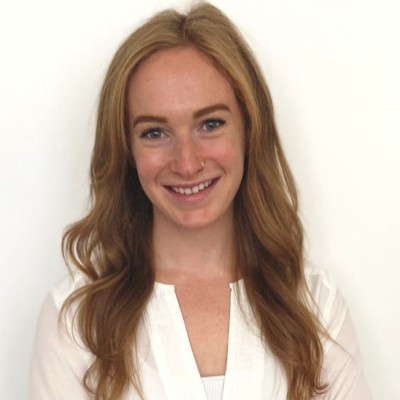
One of those scientists is Elyssa Bader, the first graduate student to use OHS data in her research. After earning her PhD in Molecular Genetics from the University of Toronto in 2022, Elyssa has gone on to build a successful career in industry, applying the skills and experience she gained through population health research.
For her doctoral work, Elyssa used data and biosamples generously provided by OHS participants to study healthy aging. Her research identified biological mechanisms in blood that may help explain why some people remain healthier as they age, contributing valuable knowledge to the growing field of research on aging.
Elyssa’s journey highlights the impact OHS participants can make: your contributions not only support discoveries that improve our understanding of health and disease, but also help train the next generation of researchers and innovators. Every questionnaire completed and sample provided creates opportunities for future scientists to ask new questions, develop new skills, and make meaningful contributions to health research.
Have you moved, or are you living outside Ontario?
You can still take part in the OHS wherever life takes you

Even if you no longer live in Ontario, you can continue participating in the Ontario Health Study.
Your long-term participation is incredibly valuable to us. As the study follows changes in health over time, we want to stay connected with you no matter where you live. Whether you've moved to another province, relocated internationally, or spend part of the year somewhere warmer, you're still an important part of the OHS community.
We encourage you to sign in to your OHS account and update your contact information. Keeping your information up to date helps us:
- Send you study invitations and updates that are relevant to where you live,
- Stay in touch with you by mail when needed, and
- More accurately understand environmental factors that may influence health through links with resources such as CANUE.
While you're there, please take a moment to check that your email address is current.
Email is our primary way of sharing important study updates, inviting you to complete questionnaires, and notifying you about new opportunities to participate. Keeping your email address up to date helps ensure you don't miss information that may be relevant to you.
Thank you for being part of the Ontario Health Study. No matter where you call home, your continued participation helps support important health research for years to come.
Protect your personal information

A quick reminder: The Ontario Health Study will never ask you to send your health card number or other personal health information by email.
Before responding to any email that asks for personal information, double-check the sender and avoid clicking unexpected links. If you are unsure whether a message is legitimate, contact the Ontario Health Study directly using the contact information on our website.
Please stay alert and help keep your information safe.
Thank you to our participant advisors!
Participants graciously volunteered to help with a review of OHS website content

A big thank you to the OHS participants who recently shared their time and feedback as part of our Participant Advisor program.
In the final section of Follow-Up Questionnaire 2, participants were invited to indicate whether they would be willing to provide input on OHS communications, study activities, and future research opportunities. More than 10,000 participants agreed to help!
As part of an ongoing review of content on the OHS website, a few hundred Participant Advisors were invited to review a specific webpage and complete a short feedback questionnaire. Their comments and suggestions are helping us improve website content, making it more useful, informative, and relevant for participants.
The insights we receive from Participant Advisors help ensure that participant perspectives remain at the heart of our communications and engagement activities.
If you agreed to be contacted in the future, you may receive a Participant Advisor assignment at a later date. We are grateful to everyone who has volunteered to help shape the future of the Ontario Health Study.
Why do you continue to take part in the OHS?
Hear from Helene from Bowmanville, OHS participant since 2012
We like to end every newsletter with a feature about our participants, who have been volunteering their time (and sometimes blood samples) for more than a decade. Here’s what Helene from Bowmanville had to say about why she has remained a member of the Ontario Health Study since joining in 2012:
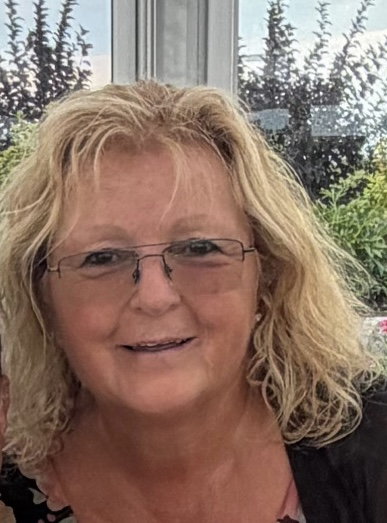 |
“I’ve remained a member of the Ontario Health Study because I believe that medical research makes a real difference. If my health information can help researchers better understand diseases, improve treatments, or prevent illnesses for future generations, then I’m happy to contribute.
I’ve experienced my own health challenges over the years, and I know how important research is in improving care. Even if my participation only helps in a small way, it’s worthwhile to me. I also appreciate being part of a long-term study that could benefit my children, grandchildren, and future generations of Ontarians.
Thank you for the important work you’re doing, and for giving people like me the opportunity to contribute.”
What drives your continued participation in the OHS? We’d love to hear from you. Email us at info@ontariohealthstudy.ca to let us know.