The Ontario Health Study Newsletter, June 2026
Jun 11, 2026 // OHS Newsletter
In this issue:
• The HEAL Study is here
• More opportunities to be included in research by Canada’s largest health study
• New book “Nature and the Mind” highlights OHS-based research
• New Ontario registry supports families with hereditary cancer risk
• Second Blood Sample Collection – Progress update
• Have you moved, or no longer live in Ontario?
• Why did you take part in Follow-Up Questionnaire 2?
The HEAL Study is here
Invitations rolling out now for a BIG study of diet and physical activity
“Why don’t you ask more about diet and exercise in your questionnaires?”
This is one of the most common suggestions from OHS participants when we ask for feedback.
You may soon have the chance to take part, as thousands of participants from across Canada are now taking part in an ambitious project known as the HEAL (HEALthy Eating and Supportive Environments) Study. The OHS is one of seven regional cohorts of CanPath taking part in HEAL.
When can I take part?Invitations are being rolled out over the year to account for seasonal changes in habits, so you will be able to begin once you receive your email invitation. We don’t anticipate being able to invite everyone to the HEAL Study. |
||
To get a better picture of participants’ diet and exercise habits, there are a lot of very detailed questions to answer. This is why HEAL is a standalone study rather than adding these questions to previous questionnaires. The HEAL Study will help researchers learn how neighbourhoods and environments shape what we eat and how we move.
HEAL has 3 main phases:
- An initial questionnaire asking about your access to nutritious food, financial resources to buy food, and diet and exercise habits over the past week/month
- 2 sets of 24-hour recall questionnaires asking in detail about what you ate and how you moved the previous day. These recalls are time-limited and are easiest to complete on a larger screen rather than a phone or tablet.
- 11 months later, you'll have another opportunity to provide information about your usual intake and activity over the past year
When combined, these questionnaires will give a more comprehensive picture of your typical dietary and activity patterns.
We know it’s a lot to ask, so just remember to do your best – you don’t need to complete every single part. Each piece of information you provide is saved as you go and will be useful to researchers investigating the links between where we live, what we eat, and how we move.
Invited to HEAL and need help?
- Visit the HEAL Study page for more information or to view helpful user guides for the 24-hour recall questionnaires
- Contact us at info@ontariohealthstudy.ca or call 1-866-606-0686
More opportunities to be included in research by Canada’s largest health study
OHS participants of all ages now part of CanPath

The Ontario Health Study is one of the seven cohorts of the Canadian Partnership for Tomorrow’s Health (CanPath). While OHS welcomed all adult residents of Ontario to take part, on a national level only data shared by participants aged 30-74 were part of CanPath.
Why 30-74? Originally supported nationally by the Canadian Partnership Against Cancer (CPAC), this age range is when most people are diagnosed with cancer. Research by CanPath is no longer limited to cancer but supports research into other chronic diseases and conditions.
So what’s changed? Data from ALL OHS participants are now part of CanPath.
Much of the same data collected here in Ontario is collected across the seven cohorts that make up CanPath. This allows larger, more diverse populations to be studied, more data points to be compared, and ultimately provides more opportunities for your data to be used for health research. Including data from participants who were younger than 30 and older than 74 when they first joined the OHS increases the range of research questions that can be addressed.
What will NOT change:
- No information that directly identifies you, such as your name, address or email will be shared with CanPath (or anyone else for that matter)
- All requests to access deidentified data must be approved by a Research Ethics Board and an Access Committee
- Your experience participating in this Study will not change. All communications will still come through the OHS.
- If you were between ages 30 and 74 when you signed up, nothing has changed.
What research is being done through CanPath?
In November 2025, CanPath presented their second Participant Town Hall: “Preventing Cancer, Together: How your data is driving discoveries.”
If you couldn’t attend the webinar live, the full recording is available below.
Part 1: Health & the environment
Part 2: Occupational exposures to endocrine disrupting chemicals & cancer risk
Part 3: The HEAL & CHARM studies
New book “Nature and the Mind” highlights OHS-based research
More trees in your neighbourhood can make you feel years healthier
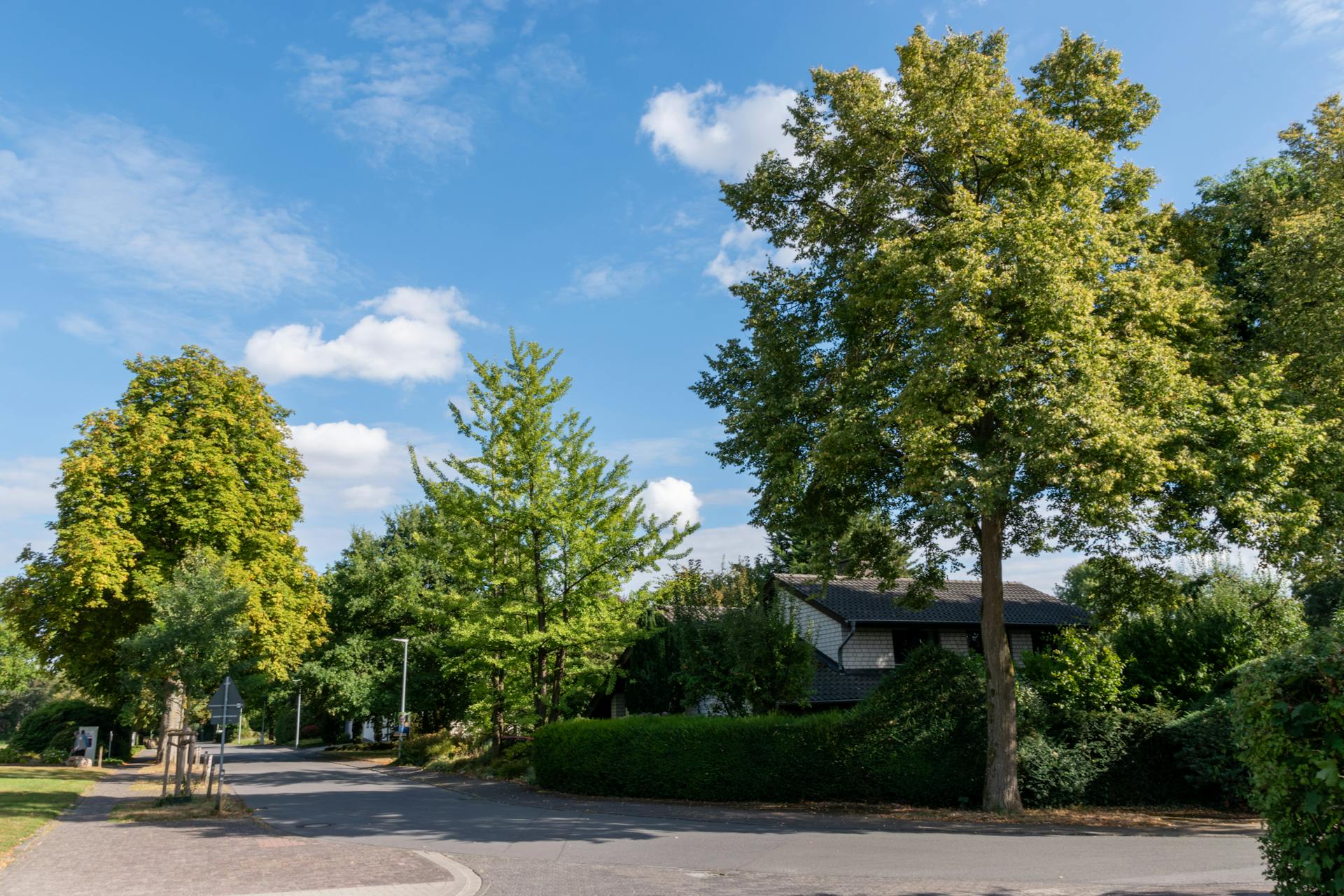
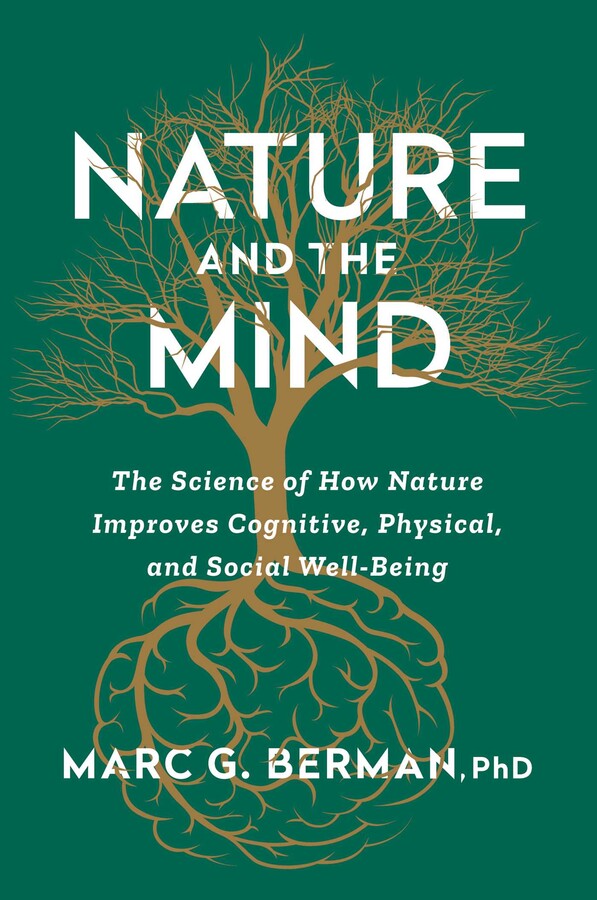 With temperatures rising, Ontarians are eager to get outside and make the most of summer.
A new book by Dr. Marc Berman explores how spending time in nature can support both mental and physical well-being. In “Nature and the Mind: The Science of How Nature Improves Cognitive, Physical, and Social Well-Being,” he outlines the key elements of a “nature prescription”—showing how even small interactions with nature can boost energy, improve focus, lift mood, and enhance overall health.
These insights build on earlier research, including Dr. Berman’s post-doctoral work with Dr. Tomáš Paus using OHS data, as well as a groundbreaking study that linked de-identified OHS questionnaire data with City of Toronto forestry records.
In his 2015 paper, “Neighborhood greenspace and health in a large urban center,” published in Scientific Reports, Dr. Berman and his colleagues found that even after accounting for income, age, and education, adding an average of 11 trees to a city block was associated with improved health perception and fewer cardio-metabolic conditions. The impact was comparable to earning an additional $10,000 per year, living in a neighbourhood with a $10,000 higher median income, or being many years younger.
How many years younger? Take the quiz below to find out!
Further reading:
- Nature and the Mind: The Science of How Nature Improves Cognitive, Physical, and Social Well-Being (Simon & Schuster)
- Read the original 2015 research paper in Scientific Reports
- Q&A with Dr. Berman in the November 2015 OHS Newsletter
New Ontario registry supports families with hereditary cancer risk
OHCRN connects people who have undergone genetic testing with research opportunities, clinical trials, and support resources across Ontario.
Did you report a family history of cancer in the most recent OHS Follow-Up Questionnaire? If you have spoken with your doctor about this history, or experienced a cancer diagnosis yourself, genetic testing may have been recommended.
If you or a family member has already undergone genetic testing, there is a new Ontario registry you should know about: the Ontario Hereditary Cancer Research Network (OHCRN).
 |
|
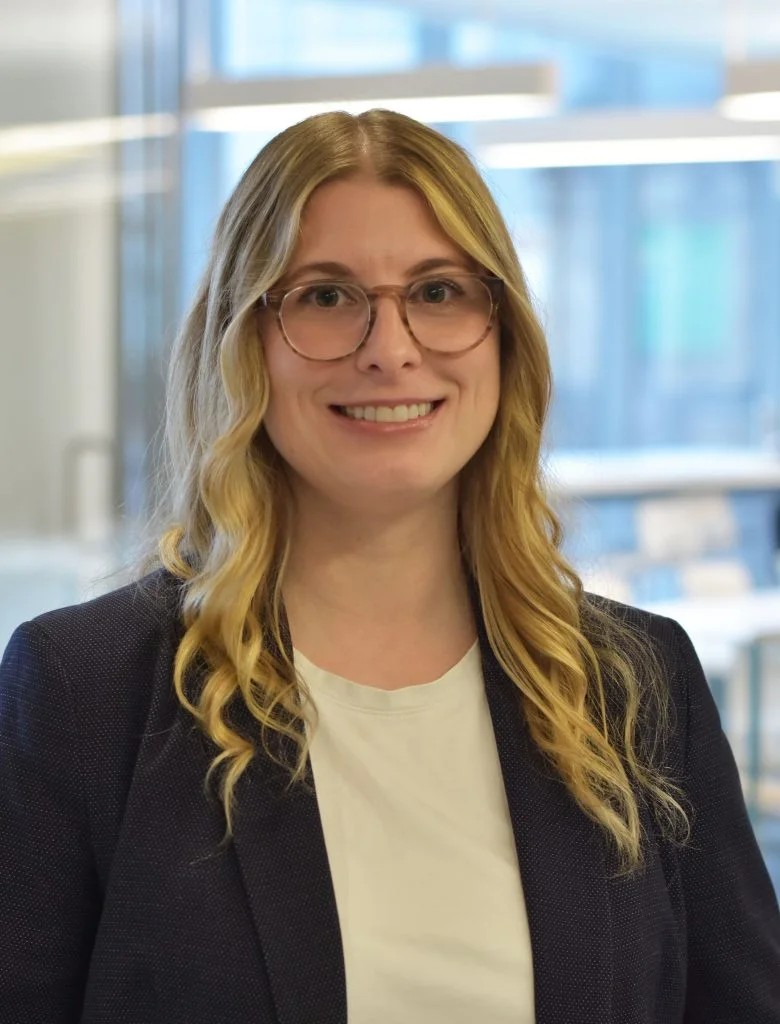
Tamara Braid, MS, CGC Genetic Counsellor, Clinical Program Manager |
OHCRN, based out of the Ontario Institute for Cancer Research (OICR), collects information from Ontarians who may face a higher risk of developing cancer due to inherited genetic changes. Its goal is to accelerate new discoveries in detecting, diagnosing, and treating hereditary cancers, while also connecting participants with researchers, clinical trials, educational resources, and advocacy groups.
“Too often, patients who got a genetic diagnosis of a hereditary cancer syndrome were then sent home with this new information. Often with no long-term support, or planned follow up in the genetics clinic,” explains Tamara Braid, who worked as a genetic counsellor before joining OHCRN.
“We want the OHCRN registry to connect people, keep them up to date on new information, new resources, and link them to appropriate clinical trials to further research in this area.”
OHCRN is open to adults and children in Ontario who have undergone germline genetic testing for a known or suspected hereditary cancer syndrome, regardless of the genetic test result or whether they have had cancer. Participation is voluntary. Interested individuals may enroll themselves or be enrolled by their doctor, genetic counsellor, or a member of the OHCRN study team.
To learn more or join, visit ohcrn.ca or email ohcrn@oicr.on.ca. You can follow OHCRN on socials (Facebook and Instagram).
Second Blood Sample Collection – Progress update
3,000 OHS participants will roll up their sleeves a second time for science
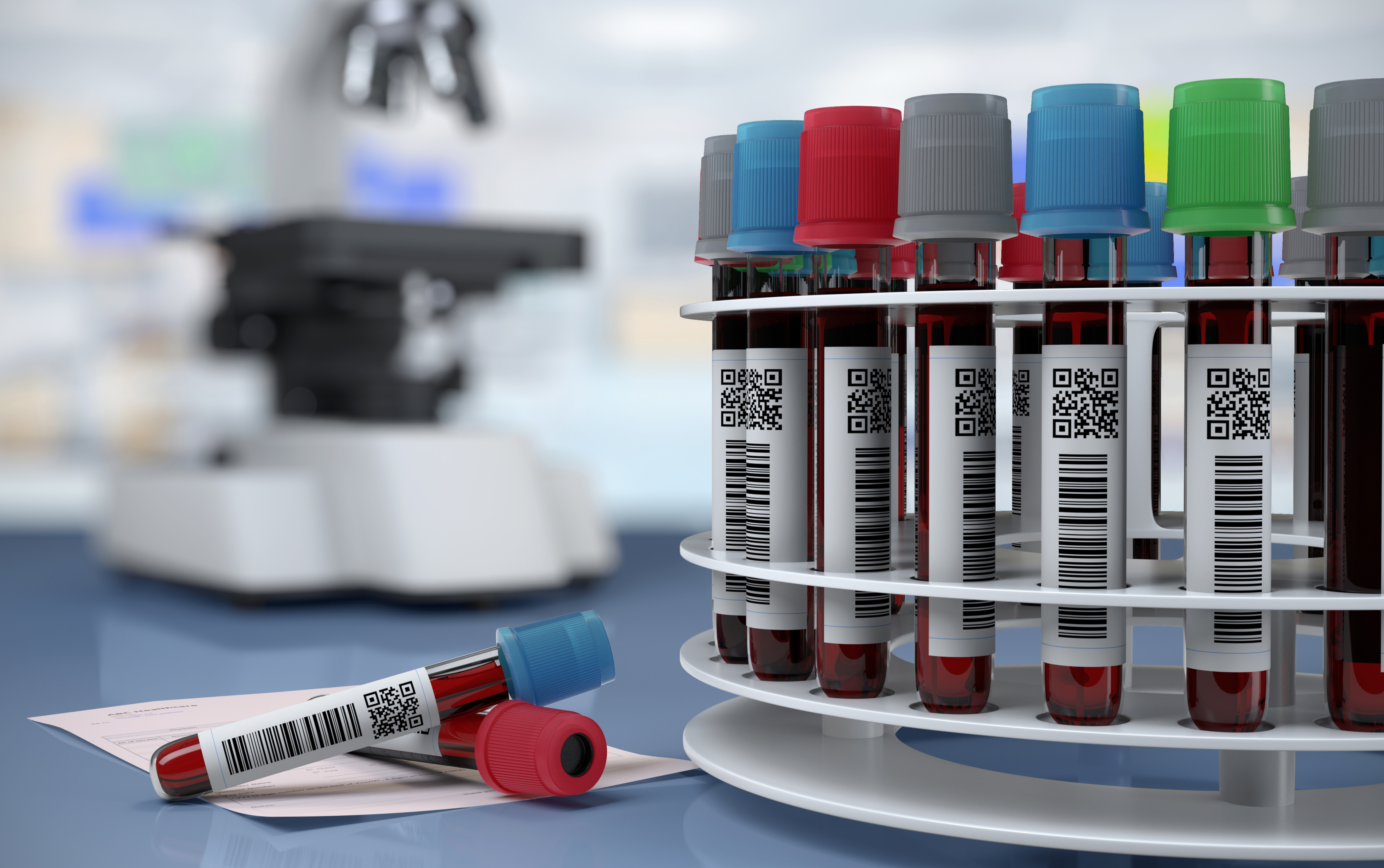
We’re excited to share progress on the Study’s second blood sample collection, an important next step in helping us understand how health changes over time.
Why a second blood sample?
By collecting a second sample from participants, we can start to see how health evolves, not just a single moment in time. Comparing these samples with earlier ones helps researchers identify early signs of disease and better understand conditions like cancer, diabetes, and heart disease.
Where we’re focusing (and why)
Rather than launching across the entire province at once, we’re rolling out the project in targeted geographic areas. We have completed Eastern Ontario and are currently focusing our efforts on Southwestern Ontario.
This approach helps us:
- Prepare and coordinate with local lab sites in advance
- Make sure everything runs smoothly for participants
- Monitor progress closely and adapt as needed
How are we doing so far?
We’re off to a strong start:
- 2,139 participants invited
- 73% response rate
- 1,011 participants have had their sample collected
- 507 are currently in progress
Thank you to everyone who has taken part so far!
What’s different this time?
- Kits mailed directly to participants
Participants now receive their collection kit ahead of their appointment, instead of just bringing a requisition form. This means everything needed is ready to go, making the process simpler and more efficient for both participants and lab staff.
- More samples, more insights
This round includes more tubes (6 total), which allows for a broader set of tests and more results shared back with participants, as well as more material for future research. A full list is available here
- Faster processing
From the moment blood is drawn, samples are processed and frozen within about 24 hours. This rapid turnaround helps ensure we preserve the highest possible quality for research.
Have you moved, or no longer live in Ontario?
Continue to take part in the OHS from wherever you live
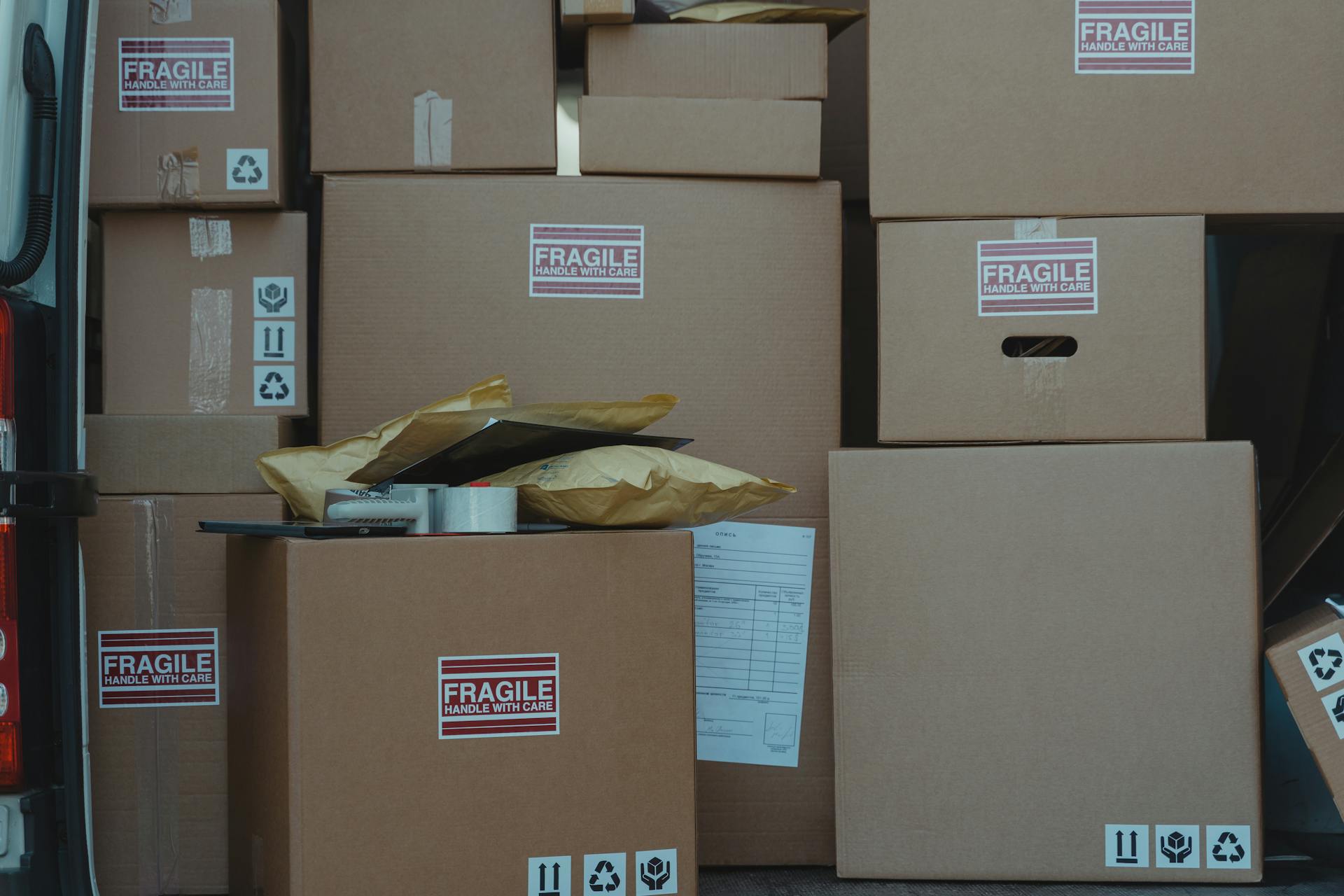
No matter where you currently reside, you are still able to continue participating in the Ontario Health Study.
Our goal is to keep following changes to your health over a long period of time, so whether you’ve moved to a different province or spend your winters in warmer climates, we welcome you to sign in to your OHS account to update your personal information. This helps us to:
- Ensure future invitations are relevant – we won’t ask you to provide a blood sample at an Ontario lab if you’re living overseas,
- Reach you by mail in the future, and
- Accurately measure your environmental exposures through linkages to databases like CANUE.
Why did you take part in Follow-Up Questionnaire 2?
Here’s what Dahlia from Aurora had to say
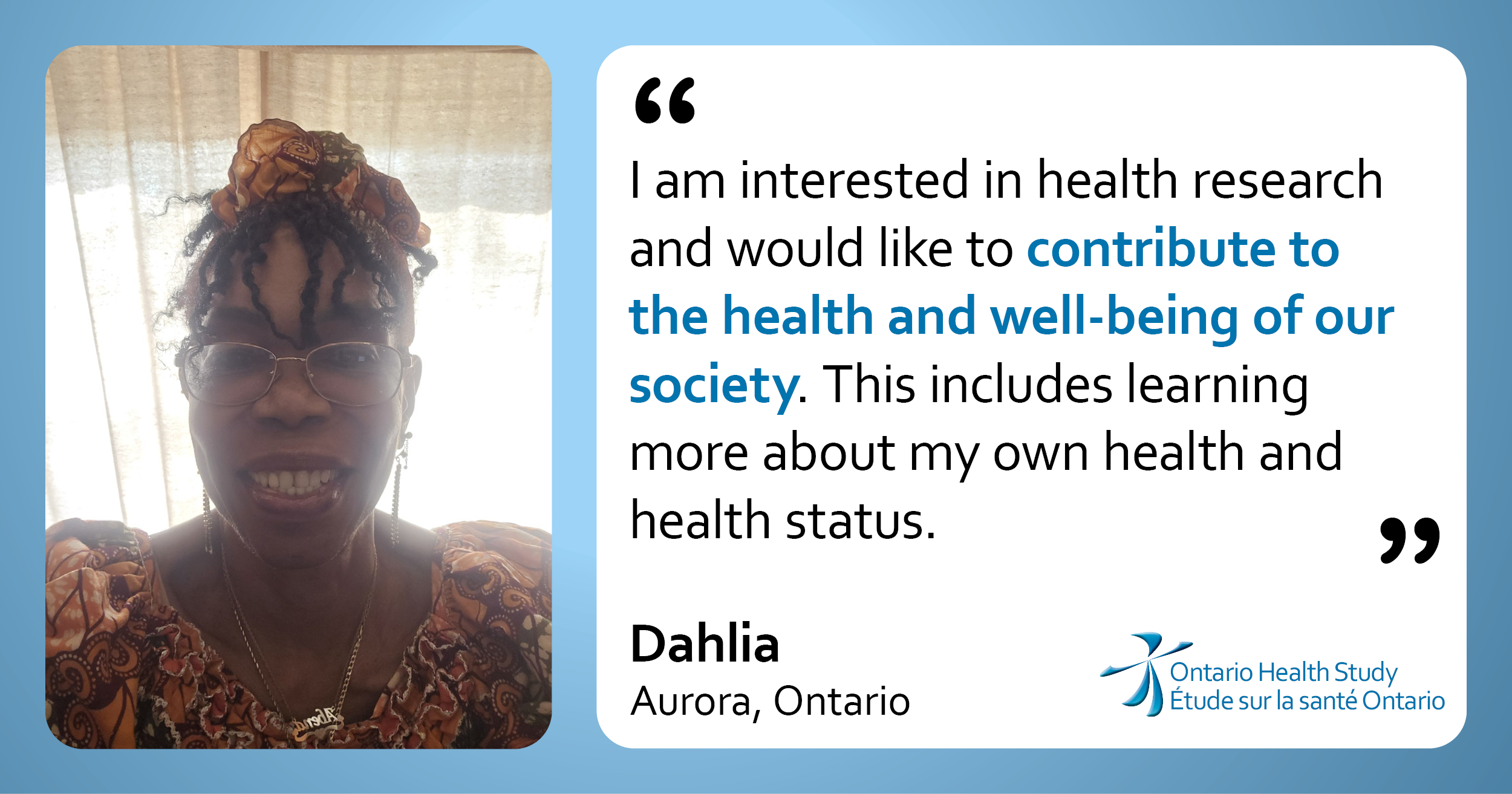
We love hearing from you. Why do you remain a member of the Ontario Health Study? Email us at info@ontariohealthstudy.ca